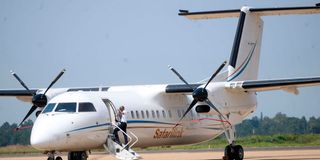
Domestic airline Safarilink has introduced a $20 (Sh2,602) fuel surcharge on all its flights due to rising jet fuel prices linked to the ongoing Middle East crisis, effectively increasing ticket costs for travellers.
The move comes days after Skyward, another domestic carrier, introduced a similar surcharge to cope with rising global jet fuel costs, with both airlines terming the measure necessary to sustain operations.
With other airlines, both local and international, expected to follow suit, the cost of air travel is set to rise, reducing affordability and potentially dampening demand for what has been Kenya’s fastest-growing transport option.
“As fuel remains a significant component of our cost structure, this measure is necessary to ensure we continue to operate with minimal disruptions to our services,” Safarilink said in a notice to customers.
“We understand the sensitivity around fare adjustments and appreciate your support in communicating this update clearly to your clients. We continue to monitor the situation closely and reserve the right to review the surcharge as market conditions evolve.”
Fuel costs
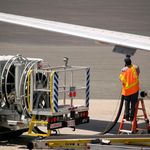
Jet fuel prices have risen sharply since the onset of the Middle East conflict between Iran and US-Israel, particularly following Tehran’s closure of the Strait of Hormuz, through which about a fifth of the world’s oil supply passes.
Latest data from the International Air Transport Association shows that jet fuel prices in Africa more than doubled by the end of last week, reaching $219 (Sh28,491) per barrel, up from about $98 (Sh12,749) per barrel in February, just before the conflict began.
Globally, rising jet fuel costs have forced airlines to increase fares to sustain operations, with fuel remaining one of the largest cost components for carriers.
Fare pressure
In Kenya, only Skyward and Safarilink have so far publicly confirmed fare increases. Other airlines are expected to follow as the impact of higher fuel costs feeds through the sector.
Air transport is currently the second-largest mode of transport in Kenya, generating about Sh350 billion in output in 2024, according to data from the Kenya National Bureau of Statistics.
The sector has grown steadily in recent years but contracted sharply in 2020 due to the Covid-19 pandemic, highlighting its sensitivity to external shocks. The latest rise in fares could slow growth as higher costs weigh on demand.