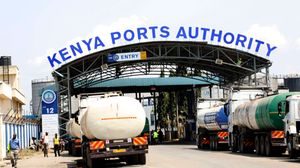
Road transporters of petroleum products face fines of up to Sh1 million or jail terms of five years for failure to install vehicle trackers on all their trucks in proposed changes to the law.
The compulsory installation of the Global Positioning System (GPS) on the vehicles will allow for the generation of automated reports on the speed, location and distance of the vehicles transporting diesel, petrol, kerosene or Liquefied Petroleum Gas (LPG).
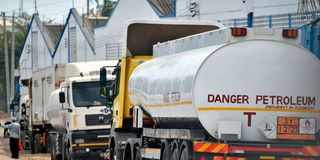
The requirement is contained in the Petroleum (Licensing of Petroleum Road Transportation Business) Regulations, 2025 and a breach will see the operators fined up to Sh1 million, jailed for five years, or both, in line with penalties as spelt out in the section 24 (5) of the Statutory Instruments Act.
The proposed legal changes aim to bolster efforts by the Energy and Petroleum Regulatory Authority (Epra) to combat fuel siphoning, dumping of fuel meant for the transit market, and other malpractices that could trigger fatal accidents in the petroleum sector.
“A holder of a permit shall install a vehicle tracking device with a Global Positioning System capable of generating reports of distance, location and speed on the petroleum tanker,” the regulations that were recently published for public scrutiny read in part.
“A holder of a permit who contravenes paragraph (1) or (2) commits an offence and shall on conviction be liable on conviction to the penalty under section 24 (5) of the Statutory Instruments Act.”
The regulations are currently undergoing public participation in line with the law before being gazetted into law.
Fuel siphoning continues to be a major headache to the regulator’s efforts of ensuring clean fuel that does not harm vehicles or farm machinery.
Cartels involved in fuel siphoning divert petroleum trucks into unauthorised yards or routes where they drain the product, mix it with cheaper substances and sell it on the black market costing owners millions in revenue and damaging vehicle engines.
Tracking of the petroleum tankers could bolster efforts to ensure that tankers carrying fuel for the transit market do not dump it within Kenya, leading to tax losses.
Unlike fuel meant for the local market, oil marketers are not required to pay taxes for fuel headed to neighbouring countries. The taxman is denied revenue in case fuel destined for the transit market is dumped within Kenya.
Kenya is the gateway for fuel headed into the transit markets of Uganda, Rwanda, South Sudan and now Rwanda, a scenario that has led to dozens of businesses owning trucks that ferry the fuel to these countries.
The regulations also seek to compel operators and owners of these trucks to submit a copy of the reports generated by the GPS to Epra upon receipt of a seven days’ notice from the regulator.