Why rich Kenyans are investing in watches above Sh1 million

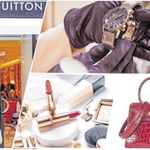
Luxury watches in a store. Kenya’s ultra‑wealthy are turning to pre‑owned luxury watches as a discreet, high‑return investment that rivals property.

Photo credit: Shutterstock

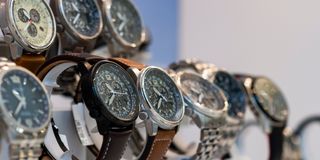
Pre‑owned luxury watches are rapidly becoming a serious investment option among Kenya’s ultra‑wealthy.

While real estate remains the traditional safe bet, a growing class of savvy investors is widening its lens, drawn to timepieces that do far more than tell time. These watches are assets that can be worn, admired, and, when the moment is right, sold for a profit. They hold value, appreciate steadily, and carry prestige.
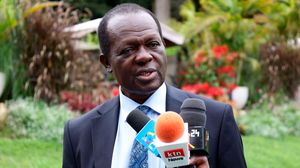
Business tycoon Jimi Wanjigi knows this world well. His collection includes elite brands such as Patek Philippe and Jaeger‑LeCoultre, and he considers watches one of the most rewarding assets in his circle.

“A lot of rich people invest in luxury watches. You may spend Sh5 million or Sh10 million, which sounds excessive. But I can tell you there isn’t a worthier investment. Many of these watches appreciate with time. If you bought a special limited edition at Sh5 million today, you could resell it for Sh7 million or even Sh10 million in a few years because it becomes an antique, a rare piece.”

The secret, he explains, lies in rarity. Limited editions, sometimes produced in runs as small as 50 pieces, become prized over time.

“If you pick right, you end up with a rare piece that will be in demand. To some, it looks like wastage, but to the wealthy, it’s no different from real estate. The same applies to jewellery,” Wanjigi notes.

The latest Knight Frank Wealth Report describes this as an “investment of passion,” and in Kenya, that passion is increasingly ticking within the broader fashion space. Art still leads the pack, attracting 72 percent of high‑net‑worth individuals. Yet the appetite for timepieces is hard to ignore: 44 percent are investing in jewellery, while 39 percent are eyeing luxury watches.

Knight Frank links this shift to a changing investment landscape. As traditional options feel familiar, investors are exploring alternatives that blend wealth with personal taste.

“With an evolving investment landscape, HNWIs are exploring alternative asset classes beyond traditional stocks and real estate,” the report notes.

Globally, demand for fine art, classic cars, and luxury jewellery is rising, and Kenyan investors are aligning with these international trends. Passion investments, the report says, are increasingly used to enhance wealth portfolios.

Another reason the ultra‑wealthy are drawn to watches and jewellery rarely makes it into polite conversation: portability and discretion. Unlike property or stocks, luxury watches can move across borders with ease. Compact and high‑value, they often escape the layers of taxation and declaration that accompany other investments. Some rare pieces can fetch as much as Sh200 million, turning a wristwatch into a discreet vault.

“There are timepieces that even go for Sh200 million. Such an asset can cross borders on your wrist, without needing customs declaration. It’s wealth you can carry quietly anywhere in the world and liquidate on your own terms,” Wanjigi explains.

Business tycoon Jimi Wanjigi during an interview at Norfolk hotel in Nairobi on December 11, 2024.

Photo credit: Evans Habil | Nation

Beyond portability, watches offer a relatively accessible entry point compared to property. For wealthy Kenyans, building a watch collection is easier than entering the real estate market, which demands massive capital upfront, approvals, permits, and hidden costs. Maintenance and liquidation are also simpler.

“Rare pieces have quick exits. Unlike the lengthy process of selling a house, which can take months, luxury watches can be sold within days through reputable dealers,” Wanjigi says.

And just like land, watches require minimal upkeep—perhaps servicing once a decade—while property ownership entails ongoing taxes, insurance, and maintenance. Still, Wanjigi cautions that success in this space isn’t about luck: “It’s about knowledge.”

Dealers are already seeing the shift. Alanwar Hassanali Esmail, proprietor of Saazone, a luxury watch store, says interest in investment‑grade watches has surged.

“I have been doing this business for close to 10 years, and these kinds of enquiries are now quite common,” he says.

But he is quick to warn: not every watch appreciates. “If your timepiece is below Sh1 million, don’t treat it as an investment. Value is not about price alone, but the model. Some watches are extremely hard to find, and that scarcity is what drives premiums, especially in the grey market.”

With replicas flooding the market, Alanwar stresses the importance of sourcing from authorised dealers or established secondary markets.

“If you want a rare piece from Rolex, it has to be from its authorised dealer. Even then, you undergo vetting. Rolex will do a background check, and you may wait months or even years for highly sought‑after models like the Daytona or Presidential.”

Limited‑edition or discontinued models, such as the Rolex Daytona or Patek Philippe Nautilus, often see the highest appreciation. Michael Zahariev, co‑founder of Luxity, a pre‑owned luxury reseller, notes the impressive rise in resale values.

“Imagine buying a Rolex today and three years later it’s worth more than you paid. That’s exactly what’s happening. These watches aren’t just holding their value—they’re appreciating beyond retail.”

Brands like Patek Philippe and Rolex have tightened production, creating scarcity that drives secondary market prices 30–100 percent above retail for certain models.

Still, Knight Frank observes that while pre‑owned luxury watches are emerging as a diversification avenue, most wealthy Kenyans continue to prioritise real estate and personal businesses.

“The preference for tangible and appreciating assets underscores a long‑term wealth preservation strategy. Property ownership and entrepreneurial ventures are regarded as more secure and profitable. As a result, non‑essential luxury assets remain a minor segment of portfolios, ensuring wealth stays concentrated in stable investments.”

Cultural and economic considerations also shape this pattern.

“Many Kenyan HNWIs adhere to principles of financial prudence, focusing on assets that contribute to long‑term security and legacy building. This perspective aligns with broader financial goals, where luxury expenditures remain secondary to wealth accumulation and sustainability,” the Knight Frank report adds.

Follow ourWhatsApp channel for the latest business and markets updates.

PAYE Tax Calculator

Note: The results are not exact but very close to the actual.