On a Friday or Saturday night, in most of Nairobi’s crème de la crème nightclubs, everything hinges on one question. Will the place be packed?
Like in any business, numbers run the show. On a good night, the city’s swankiest clubs rake in around Sh3 million in sales, and with sharper marketing, that figure can climb to Sh9 million, BD Life has established.

A few years ago, Happy Hour was the magic trick. Clubs leaned on it heavily to keep seats filled and drinks flowing.
Discounted drinks drew crowds early and fast. But the spell didn’t last. Due to competition, some venues began cutting corners, using cheap liquor to stretch margins, and the craze faded almost as quickly as it rose.
The scene adapted. Nightlife moved on. It is no longer just about cocktails, décor, or glossy posters promising a good time.
Today, the difference between a packed nightclub and an echoing room often comes down to seat fillers and Socialite hosts. DJ collectives, hype masters, and MCs add to the mix, each one tasked with pulling in a crowd.
For club owners, these shifts have quietly rewritten the business of nightlife in Kenya.
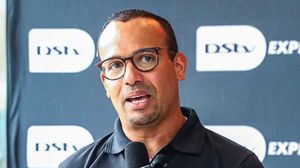
“With the dilution of Happy Hour, the focus has now shifted to entertainment,” Alex Gakumo, Director at Kentwood Address and Cohiba Lounge, tells BD Life.
“Clubs are now paying notable Deejays premium rates to deliver that experience. Customers are now enticed by the big-name entertainers. There’s also a rise of female DJs who don’t just spin, they perform, they dance, they command the room. The crowd loves it. And as you know, business is all about numbers.”
But it’s behind the scenes of the flashing lights and booming speakers, where nightclub owners are in constant strategy mode, plotting how to keep the doors busy and the tills ringing. And this is where seat fillers have emerged as a major differential.
According to Alex, there are two sets of seat fillers. One, the micro influencers, and the other, party-loving ladies.
Party-loving ladies
“Seat filler is a very big and extreme spend for most nightclubs right now, and I say so with clarity, having been involved in more than one nightclub and having been in this business for many years,” Alex says as he gives an analogy of how the seat-filling strategy works.
“You know how, when you want to board a matatu to town, you first check which matatu has enough passengers and will be leaving shortly, as opposed to one that passengers have just begun boarding? That is how seat fillers in clubs work,” he explains.
Location of choice
“Most clubs will scout for very attractive sociable ladies, preferably young, in groups of about five, and we pay them for their time to just sit in the club, offer them free, less alcoholic cocktails and food, to just hang around in the club, and just look pretty. And for most men who are heavy spenders, once they get wind of a location that often has pretty women, and which always seems packed, it becomes a location of choice because again, who wants to go have a good time in a club that is always empty.”
Micro influencers
Alex maintains that most nightclubs have now set big budgets for seat fillers that would amount to anything above Sh500,000 in a month.
“Behind the scenes, this is another major direction most locations have taken as part of investing in seat fillers as a business strategy. To some extent, it might get to Sh1 million or more in expenses in a period of two months or less depending, because this action heavily influences where customers choose to go. So you will spend based on your targets,” Alex explains.
DJ Collective
Booking a DJ Collective is another strategy that clubs are employing to fill their establishment seats, as it is seen as less of a gamble and more of a guarantee.
Instead of banking on the pull of one DJ, they tap into an entire network of DJ that comes with its own marketing engine. DJ Collective may consist of two Deejays, a gifted hype master, dancers, and an Mcee to some extent.
With some of these collectives having established names within the entertainment sphere, alcohol brands and lifestyle sponsors regularly form partnerships with them for activations, product launches, and tours.
“DJs are crowd pullers and MCs, too. Depending on how good you are, club owners will always reach out to you. Pay you a premium, and take care of your accommodation and transport logistics just to hype a crowd. And if you have a loyal social media fan base, once a poster is put out that you will be hanging out at a given establishment, the crowd shows up.” Hype master MC Gogo says.
Social media has quietly handed certain individuals an unusual kind of power, not celebrity, exactly, but influence.
A micro-influencer with 10,000 to 20,000 followers has built something more valuable than fame, a loyal audience that mirrors their lifestyle. Where they eat, where they shop, where they party, their followers pay keen interest and take notes.
“This is the major culture shaping the business right now. With social media, you have individuals who command loyal followings. A micro-influencer with 10,000 to 20,000 followers can guide an entire crowd. They eat somewhere, shop somewhere, party somewhere, and their followers want to be part of that lifestyle. So when Friday comes, people are asking, ‘Where is my favorite influencer going out tonight?’
It’s that curiosity that club owners have turned into a currency.
“What most nightclubs do is scout those micro-influencers and make them a sweet offer. Bring your community to Kentwood, and we give you a cut, maybe eight percent of their spend.”
To make it count, club owners scale the strategy.
“On weekends with football matches or Formula One, the crowd largely takes care of itself,” Alex further explains.
“So the seat fillers become critical on slow nights, maybe on Tuesdays orWednesdays. I’ll tell the influencer to come in after work, bring their high-spending friends, and stay as late as they want. All they need to do is post or talk about it on social media as part of their lifestyle, not an obvious promotion. But I won’t just take one influencer. I’ll take maybe ten, each with their own crowd. That way, you almost guarantee a full house and still protect your margins. That’s why you will notice it always seems like something is happening every midweek in most nightclubs.”
When the night winds down and the last guest heads home, the influencer stays behind for the settlement.
“The club tallies up how many people they brought in and what those guests spent on food and drink, then hands over the agreed percentage. It’s one of the biggest strategies in nightlife right now,” Alex says.