Diageo to exit EABL by December, ushering in Asahi era

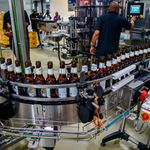
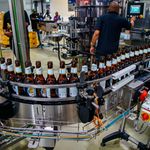
Bottles of Kenya Cane move along the production line at Kenya Breweries Limited's plant in Ruaraka, Nairobi, on March 3, 2025.

Photo credit: Lucy Wanjiru | Nation Media Group

Diageo expects to complete the sale of its 65 percent stake in East African Breweries Limited (EABL) to Japan’s Asahi Group Holdings in the second half of this year, ending a 26-year ownership stint during which the value of its holding grew more than tenfold to Sh305 billion.

In a call with investors, the British drinks giant said the transaction is expected to close between July and December.

Diageo, which acquired majority control of EABL in 2000 when the brewer was valued at about Sh30 billion, announced plans on December 17, 2025, to sell its entire stake and its 53.68 percent shareholding in Kenyan spirits maker UDV Kenya (UDVK) to Asahi Group Holdings.

The disposal forms part of The London Stock Exchange-listed brewer’s broader “asset-light” strategy, which has seen it divest businesses in several markets.

“USL (United Spirits Limited) announced the sale of its RCB (Royal Challengers Bengaluru) business on 24 March 2026 and the disposal of our shareholding in EABL is expected to complete in calendar H2,” Diageo said in its third-quarter trading update for fiscal year 2026.

“These transactions will support reducing leverage and increasing financial flexibility.”

Diageo will receive $2.354 billion (Sh305 billion) for its EABL stake and $646 million (Sh83.6 billion) for its shares in UDVK, bringing the total gross proceeds to $3 billion (Sh388.4 billion).

New brew

The transaction ushers in a new chapter for East Africa’s largest brewer, whose portfolio includes Tusker, Guinness, WhiteCap and Pilsner.

Listed on the Tokyo Stock Exchange, Asahi Group Holdings produces alcoholic and non-alcoholic beverages as well as food products. The company operates across Japan, East Asia, Europe and the Asia-Pacific region, generating annual revenue of about $19 billion (Sh2.45 trillion).

Following completion of the acquisition, Asahi is expected to introduce some of its flagship brands, including Asahi Super Dry, Peroni Nastro Azzurro and Pilsner Urquell, to the Kenyan and wider East African markets.

Diageo’s exit will also be accompanied by a long-term licensing and distribution agreement that will allow EABL to continue producing selected Diageo brands, including Smirnoff, Captain Morgan, Smirnoff Ice, Orijin and Guinness.

Capital markets regulators in Kenya, Tanzania and Uganda have already granted Asahi an exemption from making a mandatory takeover offer to minority shareholders.

Under East African capital markets regulations, an investor that acquires control of a listed company is ordinarily required to make an offer for the remaining shares, although regulators may waive the requirement in exceptional circumstances.

Asahi has indicated that EABL will remain listed on the securities exchanges of Kenya, Uganda and Tanzania after completion of the transaction.

Strategic shift

Diageo was formed in 1997 through the merger of Guinness Plc and Grand Metropolitan and acquired majority control of EABL three years later, cementing its influence over the region's largest brewer.

Before the acquisition, Guinness East Africa, incorporated in Kenya in 1965, operated primarily as a regional marketing and distribution arm for Guinness brands, working closely with EABL through licensing, brewing and distribution arrangements.

Diageo has since resolved to exit EABL and other African investments as part of its cost-cutting programme and asset disposal strategy. The asset-light model is designed to reduce earnings volatility in Africa and improve returns.

The brewer has in recent years grappled with slowing alcohol consumption among Gen Z consumers, weaker demand in key markets such as the United States and China, and growing investor concerns about the long-term growth prospects of the global spirits industry.

Those pressures forced the maker of Johnnie Walker and Guinness to cut its sales and profit forecasts despite reporting organic sales growth of 1.7 percent in 2025.

Follow our WhatsApp channel for the latest business and markets updates.

PAYE Tax Calculator

Note: The results are not exact but very close to the actual.