Time flies with great content! Renew in to keep enjoying all our premium content.
Prime
Bolt dispels claims of Kenya exit amid fight with riders
Bolt Kenya and Tanzania General Manager Dimmy Kanyankole speaks during the launch of Bolt Comfort at Radisson Blu Hotel Arboretum, Nairobi on June 11, 2025.
Photo credit: Wilfred Nyangaresi | Nation Media Group
Bolt has dismissed claims it plans to exit the Kenyan market next week amid ongoing tension between the ride-hailing firm and its motorcycle riders over fares and earnings.
The Estonian firm’s senior general manager for East Africa, Dimmy Kanyankole, said the company remains fully operational, and a letter circulating on social media claiming they will exit Kenya on June 8 is fake.
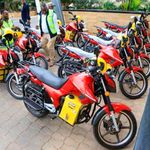
Motorcycle riders on Bolt recently staged demonstrations in Nairobi, demanding higher fares and harmonisation of pricing between petrol-powered and electric motorbikes.
The letter, dated June 1 and purportedly signed by a senior Bolt official, claimed the company had decided to shut down its Kenyan operations after failing to address the drivers’ concerns while maintaining a sustainable business model. Bolt has partners in the car and motorcycle public transport business.
“This document is fake and did not originate from Bolt Kenya or any of its authorised representatives,” Mr Kanyakole said in a statement.
“Bolt Kenya remains fully operational and committed to serving our driver partners and customers across the country.”
The letter advised drivers and client to make arrangements ahead of the closure date. “Despite our efforts, we have been unable to satisfactorily address the concerns and demands raised by our driver-partners while maintaining a sustainable business model,” the notice stated.
There have been tension between ride-hailing platforms and Kenyan drivers over fares, commissions, and earnings. Last week, Bolt’s motorcycle riders, commonly known as boda bodas, staged a protest in Nairobi over the company’s recent move to lower the price of electric bike rides, which they said has significantly squeezed their earnings.
Until last year, Bolt’s boda boda trips would cost more on an e-bike than a petrol-powered equivalent.
But the company revised the pricing downward to incentivise the electric motorcycles, which promise higher driver profits due to their lower fuel and maintenance costs. E-bike riders say the new structure has sharply cut take-home earnings.
“For a 32-kilometre trip to Kitengela, I can get Sh600. After deductions, I remain with about Sh450. Swapping the battery costs Sh265, and at the end of the day, I still have to repay my motorbike loan of Sh500 daily,” one rider told the Business Daily in an interview last week.
“My earnings do not make sense. Am I working, or is this a charity? It is not sustainable.”
At the same time, there is disgruntlement among Bolt’s petrol bike operators after the company in May raised fares for car rides by six percent over higher fuel prices, but excluded motorcycle riders from the adjustments.
The Middle East conflict has pushed the price of a litre of petrol in Kenya up by 20.2 percent in the past three months. With a litre of petrol now retailing at Sh214, the riders argue that their costs have jumped.
Riders want fare increases of up to 80 percent, which ride-hailing firms are adamant about, as it would negatively affect ride demand.
Kenya is pushing for minimum fare regulations for ride-hailing services to resolve long-running disputes between digital taxi platforms and drivers.
The State wants a national pricing model for both traditional taxis and digital ride-hailing operators, including reviews of fuel costs, maintenance expenses, insurance, and commissions.
Currently, the National Transport and Safety Authority (NTSA) caps commissions on digital ride-hailing platforms at 18 percent per trip, including the digital service tax.