Time flies with great content! Renew in to keep enjoying all our premium content.
3 forex risks Kenyan traders must watch as the Iran crisis escalates
Sponsored by HFM
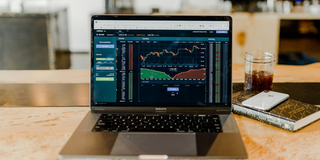
For Kenya, the Iran crisis is not just foreign news. In a connected market, pressure near the Gulf can show up on a Kenyan trader’s screen before breakfast.
Photo credit: HFM
The Iran crisis may look like a faraway geopolitical story, but Kenyan traders know better. When tension rises around the Gulf, the reaction rarely stays there. Oil prices move, shipping fears grow, the dollar gets attention, and suddenly the Kenyan shilling is part of the conversation.
That is why forex trading in Kenya becomes more delicate whenever Iran related tension escalates. A trader in Nairobi may be watching USDKES from a phone screen, but part of that movement can begin much earlier, through oil routes, dollar flows, and global investor fear.
For Kenyan traders, the main risks are not complicated. Oil can get expensive. The dollar can strengthen. Inflation can creep back into daily life. The problem is that these three risks often arrive together, like traffic piling up on Mombasa Road after one small accident.
Risk 1: Oil Prices Can Put Fresh Pressure on the Shilling
Oil is usually the first place traders should look when the Iran crisis heats up. Kenya imports fuel, and fuel is paid for in foreign currency. So when crude prices rise, the pressure does not stay on global commodity screens. It can reach Kenya’s currency market very quickly.
Fuel Imports Need More Dollars
When oil becomes more expensive, Kenyan importers need more dollars to buy the same amount of fuel. That extra demand can weigh on the shilling, especially if dollar inflows from exports, tourism, remittances, or investors are not strong enough to balance it.
You might not see the pressure immediately. Sometimes USDKES looks calm for a while, then starts reacting when importers step back into the market. It is a bit like the ocean before the tide turns. Quiet, but not really still.
Higher Fuel Costs Spread Fast
Fuel touches almost everything in Kenya. Matatus, trucks, boda bodas, farms, factories, supermarkets, and construction sites all depend on transport. Once fuel gets expensive, the cost of moving goods rises too.
That is why traders should not treat oil as a separate market. A jump in crude prices can affect inflation expectations, company costs, household spending, and eventually sentiment toward the shilling.
If oil stays high, Kenya’s currency market may feel the pressure even when local news looks calm.
Risk 2: The Dollar Can Become the Safety Trade
The second risk is the US dollar. During geopolitical tension, global investors often look for safety, and the dollar usually gets that attention. It is still the currency many traders run toward when markets start feeling nervous.
Global Fear Can Hit Emerging Market Currencies
Kenya is not alone here. Many emerging market currencies can come under pressure when investors reduce risk. But Kenya has an extra challenge because stronger dollar demand can arrive at the same time as higher fuel import costs.
That is where traders need to be careful. A weaker shilling does not always mean something local has gone wrong. Sometimes the move begins with global funds shifting away from risk and back toward the dollar.
USDKES Can Move in Sharper Bursts
During crisis periods, USDKES can become harder to read. Liquidity may thin out, quotes can widen, and short moves can look messy. A quiet chart in the morning can look very different by afternoon.
For Kenyan traders, this is not the time to rely on one signal. Oil prices, the dollar index, US bond yields, local dollar demand, and central bank tone all matter. During a geopolitical shock, one chart rarely tells the full story.
Risk 3: Imported Inflation Can Return Quickly
The third risk is imported inflation. If oil rises and the shilling weakens at the same time, Kenya may pay more for fuel, machinery, medicine, electronics, food inputs, and other imported goods.
Inflation Can Change Rate Expectations
Higher import costs can make inflation more stubborn. If that happens, the Central Bank of Kenya may have less room to support growth through easier policy. Traders should listen closely to policy language, not just rate decisions.
Sometimes the tone tells the story before the actual move. If officials sound more cautious about inflation, the market may start pricing that in early.
Businesses and Households Feel the Squeeze
Imported inflation does not stay inside economic reports. It reaches transport fares, food prices, supplier invoices, shop shelves, and household budgets. A trader may spot the first warning on a chart, while a shop owner in Nakuru may feel it weeks later through higher costs.
That is why inflation risk matters so much for Kenyan forex traders. It can turn an overseas crisis into a local currency, policy, and consumer story.
Conclusion
As the Iran crisis escalates, Kenyan forex traders should keep their eyes on three risks: oil prices, dollar strength, and imported inflation. Each one can pressure the shilling on its own. Together, they can create a much tougher trading environment.
The smart move is not to panic. It is to connect the dots early. Watch crude prices, track dollar demand, follow inflation signals, and pay attention to central bank language.
For Kenya, the Iran crisis is not just foreign news. In a connected market, pressure near the Gulf can show up on a Kenyan trader’s screen before breakfast.