The Nairobi City County is the economic nucleus of Kenya. It hosts financial institutions, regional headquarters, industrial clusters, and government agencies. Yet its transport system imposes a significant economic tax on productivity.
The presence of chronic traffic jams, low modal integration, poor non-motorised infrastructures, and a high carbon intensity is detrimental in terms of efficiency to labour, high transaction costs, and erodes competitiveness. Transport reform in Nairobi is, therefore, not a mobility issue alone; it is a macroeconomic imperative.
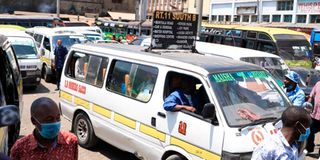
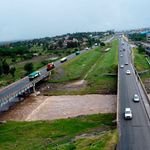
Traffic congestion remains the most visible constraint. Peak-hour gridlock along corridors such as Thika Road, Mombasa Road, and Waiyaki Way reflects structural mismatches between vehicle growth and road capacity.
The dominance of private cars and fragmented public transport operations increases average travel time, fuel consumption, and vehicle operating costs.
For firms, this translates into delayed deliveries and lost labour hours. For households, it raises the implicit cost of commuting, effectively lowering real incomes. From a fiscal perspective, congestion represents foregone gross domestic product.
Global experience offers practical insights. Asian cities like Singapore and Seoul tackled congestion by the use of coordinated land-use planning, investments in mass transit and demand control measures.
Singapore introduced a congestion charge, tough ownership rules and the best metro system in the world. Seoul reorganised the routes of buses, automated fare collection, and bus lanes. These interventions did not exist as a single project, but rather as part of long-term urban transport master plans that were geared towards economic strategy.
The government should, therefore, contextualise the transport reform in Nairobi in a logically structured fiscal and infrastructural framework.
First, hasten expenditure in mass transit at a large scale involving modernisation of commuter railways and Bus Rapid Transit line corridors. Capital expenditure should be structured through blended financing models, leveraging public-private partnerships to reduce fiscal pressure while ensuring performance-based contracts.
Second, introduce road congestion pricing in central business districts to make road use rational and create a dedicated revenue to support transport improvements.
Third, ensure that the transport corridors and the urban planning are aligned to minimise urban sprawl, which increases commute time and strain on infrastructure.
The transport policy should incorporate environmental sustainability. Transport emissions in Nairobi are the cause of air pollution and additional expenses on the health of the population in the long run. Germany provides a relevant benchmark.
Cities such as Berlin and Munich have embedded green mobility into urban design through electrified public transport, extensive cycling lanes, and low-emission zones. Kenya can provide incentives to electric buses and commuter fleets using tax rebates, green bonds, and concessional climate financing.
Electrification would decrease the reliance on fossil fuels, would balance trade and would also work in favour of Kenya’s renewable energy strength.
At the county level, City Hall must focus on operational efficiency and last-mile connectivity. To start with, introduce special lanes of public transport and optimise matatu traffic by rationalising routes and digitalising schedules.
Second, develop and support non-motorised transport infrastructure—pedestrian walks and bicycle paths in particular, in high population corridors. These are investments that are light in capital and are associated with high social returns owing to improved safety or less dependence on short route vehicles.
Third, enhance road maintenance and drainage systems to make sure that the roads are passable during rainy seasons. Impassable roads increase vehicle wear, insurance claims, and emergency response delays, imposing hidden economic costs.
The coordination of the institutions is also essential. Fragmentation between national agencies and county authorities often delays implementation. A metropolitan transport authority with fiscal autonomy and clear performance indicators would enhance accountability. Transparent data collection; traffic flows, commuter patterns, and emissions should guide evidence-based budgeting.
Ultimately, Nairobi transport reform is productivity reform. Efficient mobility reduces the cost of transactions, improves access to the labour market, draws investment, and improves environmental resilience.
Integrating national-level capital discipline and climate consistent financing with county-level operation reforms, Nairobi can transition from congestion-driven inefficiency to a modern, integrated, and economically competitive urban transport system.
Jamlic Munyasya is an economist, business consultant and a corporate trainer
Unlock a world of exclusive content today!Unlock a world of exclusive content today!