The biannual Sustainable Energy Conference, which closed this week in Olkaria, Naivasha, has quietly grown into one of those rare forums that no serious policymaker or corporate leader in the energy sector dares to skip.
What began as a niche meeting has morphed into a marketplace of ideas — and influence — where Kenya’s energy future is debated, deals are whispered, and the outlines of our low-carbon transition are drawn.
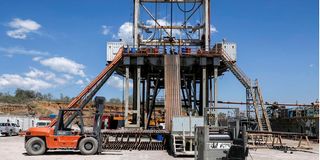
The big lesson from following the talks is that we are at a crossroads. We must balance the fear of climate change with the equally urgent fear of running out of affordable electricity.
Climate change is real. But for a country where industries and households are already at breaking point from high power costs, the priority cannot be carbon reduction at all costs. Our mantra must be simple: sustainable and cheap electricity to the people.
At the conference, KenGen, the state-linked utility and convener of the parley, announced its ambition to produce an extra 1,500 MW in under 10 years. Laudable, yes — but is the bar high enough? Across the border, Ethiopia’s newly launched Renaissance Hydro Dam, alone has an installed capacity of 5,000 MW.
Back in the Uhuru Kenyatta era, policy was shifting decisively towards affordable electricity above everything else. His administration set up a presidential task force to review power purchase agreements, seeking to rescue consumers from the tyranny of expensive heavy fuel oil (HFO) generators. It even imposed a moratorium on new PPAs.
So why has the government abandoned the idea of converting thermal plants from HFO to natural gas? Several international developers have shown potential savings of up to 40 percent if we make the switch. The snag was always where to source the gas. That is why plans were announced for a natural gas pipeline from Dar es Salaam to Mombasa.
KenGen and the Kenya Ports Authority went as far as identifying land at Dongo Kundu for an LNG terminal and power plant. At one point, studies were underway on importing LNG through Mombasa, or transporting compressed gas from Tanzania. Laws were even passed obliging fuel-oil power stations to switch to natural gas once it became available.
How did we drop the ball on such low-hanging fruit?
The main reason electricity prices remain stubbornly high is that policy has elevated promotion of private investment above delivery of affordable power to the ordinary Kenyan.
Renewable energy remains essential — but it cannot come at the expense of reliable, cheap power for a growing rural population. Policies that demand endless sacrifice from the poor consumer are not sustainable in the long run.
Here is where I borrow a lesson from Donald Trump. During his inauguration, one of his rallying cries was “Drill, baby, drill.” Behind the bluster was a clear message: America’s best chance at energy security and affordable prices was to invest in local resources — oil, gas, and coal.
We, too, must confront uncomfortable truths. In 2013, the government invited private investors to develop a 960 MW coal plant in Lamu.
That project attracted global heavyweights — Tata of India, Mitsui, Toyota Tsusho, Marubeni of Japan, Sinohydro and Shanghai Electric of China. Yet it collapsed under opposition from environmental groups and international financiers citing climate concerns.
Several years earlier, we discovered massive coal deposits in the Mui Basin of Kitui. The licence was handed to briefcase entities with neither capital nor expertise. Their intention seemed to be holding the licence and flipping it later at a profit. Today, the government no longer even talks about exploiting this critical resource.
Meanwhile, the Kenyan consumer and heavy industries remain trapped in a regime of expensive imported HFO, paid for in scarce foreign exchange. Every month, you can see the pain itemised in your bill under the “forex adjustment cost.” As the shilling weakens, consumers are hit twice: through higher fuel costs and through Kenya Power’s foreign-currency obligations.
It does not have to be this way. We must resist the temptation of blindly joining the global green lobby — leaving our oil, gas, and coal in the ground in exchange for meagre promises of climate financing from the West.
Yes, we must keep investing in geothermal, solar, and wind. But energy security will only be achieved by embracing a mixed basket — one that includes coal, gas, and, eventually, nuclear.
Our choice is stark. Do we continue with a policy framework that leaves Kenyans paying some of the highest power tariffs in Africa, while bowing to climate dictates written in Brussels and Washington? Or do we pursue a pragmatic path that guarantees cheap and reliable electricity?
My parting shot to the government is simple: Drill, baby, drill.
The writer is a former managing editor of The EastAfrican
Unlock a world of exclusive content today!Unlock a world of exclusive content today!