As Kenya continues to restructure its public healthcare financing through the Social Health Authority (SHA), the country faces a defining question: who should manage these crucial services?
The answer, if Kenya is to avoid the pitfalls of inefficiency, corruption, and preventable deaths, is clear — it is time to invite private insurance companies.
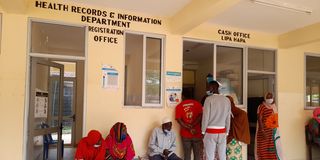
Kenya’s public health system has long suffered from delays in service delivery, bureaucratic red tape, and ambiguous reimbursement mechanisms that make health care access uncertain, especially for low-income citizens.
Under the defunct NHIF, many Kenyans paid contributions but received poor or no service in return. In critical cases, delayed treatment tragically resulted in preventable deaths — not because of lack of funding, but because of systemic inefficiency.
The government, while well-intentioned, lacks the technical expertise, infrastructure, and agility to manage a seamless, nationwide health insurance system. We must ask: is it ethical to entrust millions of lives to an overstretched public institution when professional expertise exists in the private sector?
Private insurance companies in Kenya are already managing complex health plans, corporate insurance schemes, and benefit packages for millions of employees — often with digital integration, real-time claims processing, and transparent billing systems.
These companies operate under strict regulatory oversight, which ensures accountability and protects consumers. In short, they have the tools, talent, and technology to ensure health coverage works — without delays, ambiguity, or unnecessary deaths.
Outsourcing the management of the Social Health Insurance Fund (SHIF) to these professionals would not only improve service delivery, but likely lower the cost of care through competition and efficiency.
The idea is not to privatise public insurance, but to adopt a public-private partnership model where government sets the policy and funding, while private insurance handles the logistics, data systems, and provider payments.
The US offers a powerful example of how private firms can successfully manage public insurance programmes. Despite being a mixed healthcare economy, the US ensures millions of people receive health coverage through publicly funded programs administered by private insurers.
The US government allows private insurance companies to manage Medicare benefits for the elderly and disabled under Medicare Advantage plans.
These firms handle claims, reimburse providers, and offer customer support — all while being funded by public money. This has resulted in cost savings, wider service options, and high satisfaction rates among beneficiaries.
In most US states, Medicaid, the healthcare programme for low-income individuals, is administered by private Managed Care Organisations.
These companies are contracted by the State to manage enrollees’ care, coordinate treatments, and pay healthcare providers. States that adopted managed care have seen faster service delivery, better health outcomes, and cost containment.
Lastly, while Obamacare or Affordable Care Act Exchanges is entirely run by private insurers, with subsidies provided by the government. This model has ensured millions get insured while preserving choice, innovation, and digital service delivery.
These examples show that public funds under private expertise result in better healthcare access.
Kenya’s healthcare challenges are too urgent to be solved with outdated bureaucracy. The health reforms present a rare opportunity to do things right from the beginning.
Entrusting their management to efficient, regulated private insurers would: Eliminate delays in treatment by automating claims and approvals - Clarify benefits and eligibility through professional underwriting - Introduce accountability and transparency through digital platforms - Save lives by ensuring funds translate into timely, quality care
Healthcare is not just about hospitals and medicines — it’s about systems that work. Kenya must abandon the illusion that government alone can provide comprehensive medical coverage without private professional operational support. Lives are at stake, and every delay costs the nation — economically and morally.
Let SHA and SHIF be the model of 21st-century public-private partnership in Africa. The government should focus on policy, equity, and funding. Let private sector experts ensure Kenyans get the care they pay for — on time, every time.
The writer is Media & Entertainment Executive in Los Angeles, California.
Unlock a world of exclusive content today!Unlock a world of exclusive content today!