Makueni’s bold agroecology policy sets the stage for a greener future

Makueni’s initiative should inspire other counties to follow suit. It proves that with political will, community participation, and strong technical partnerships, policy can move beyond paper to deliver tangible benefits. 

Photo credit: Shutterstock

Makueni County has once again positioned itself as a leader in sustainable agriculture with the launch of its Agroecology Policy, the first of its kind in Kenya. 

The policy was unveiled on November 7, 2025 in Wote under the theme Resilient Farms, Healthy Soils, and Thriving Communities through Agroecology.
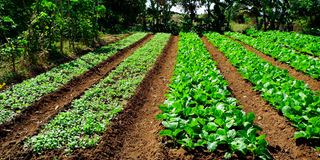
It signals a transformative shift from input-reliant farming towards practices that restore soil health, protect biodiversity, and strengthen community resilience in the face of a changing climate.

Agroecology is a farming approach that harmonises with nature, emphasises healthy soils, environmental conservation, and improved food and nutrition security through the use of locally available resources.

The policy provides a practical framework for integrating ecological principles across production, processing, and marketing. 

It promotes low-cost, locally adapted practices such as composting, intercropping, integrated pest management, and the use of indigenous seed varieties.

Beyond environmental gains, the policy seeks to improve farmer incomes, nutrition, and equity, with a focus on women and youth who sustain rural food systems.

Developed through wide consultation among county departments, farmer groups, and development partners, including the Route to Food Initiative, Biovision Africa Trust, and the African Biodiversity Network, the policy reflects both local knowledge and scientific insight. 

The participatory process underscores the strength of devolution, showing how counties can innovate and respond to local needs when empowered with resources and autonomy.

Makueni’s leadership demonstrates how devolved governance can drive real impact by linking ecological farming, livelihoods, and community well-being.

This policy also feeds directly into Kenya’s broader national agenda on climate resilience and sustainable food systems.

It aligns with the National Climate Change Action Plan, the National Food and Nutrition Security Policy, and the country’s commitments under the United Nations Decade on Ecosystem Restoration.

Agroecology complements these frameworks by promoting regeneration, self-reliance, and sustainable productivity, which are key ingredients for achieving Vision 2030 and the Sustainable Development Goals.

At the county level, embedding agroecology within the County Integrated Development Plan (CIDP) ensures that soil conservation, water management, and food security are treated as interconnected priorities rather than standalone projects.

CIDPs are the backbone of county planning, and integrating ecological agriculture within them represents a significant step toward building long-term resilience and sustainability.

Makueni’s initiative should inspire other counties to follow suit. It proves that with political will, community participation, and strong technical partnerships, policy can move beyond paper to deliver tangible benefits. 

The Agroecology Policy stands as a model of what effective devolution can achieve, a homegrown approach that connects people, planet, and prosperity.

Kenya’s path to food sovereignty and climate resilience will depend on how well other counties build on the example Makueni County has set.

The writer is a climate action enthusiast and a communications specialist at Windward Communications Consultancy

PAYE Tax Calculator

Note: The results are not exact but very close to the actual.