Tourists from every corner of the globe come to Kenya to see what we often take for granted – wildlife, the coastline, mountains, culture and even landscapes. Yet tourism is often reduced to a statistic – six or seven per cent of the GDP.
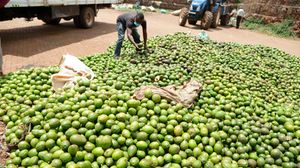
Tourism is a lifeline for farmers who supply vegetables to lodges; fishermen who deliver fresh catch to resorts; artisans; the automotive assembling and modifying vehicles to meet the demands of the sector; taxi drivers; Madaraka Express train service; domestic airlines; and even tailors stitching uniforms for hotels, restaurants and tour companies.
According to the World Travel and Tourism Council, the sector's direct contribution to Kenya’s GDP is seven percent and its total contribution is 10–11 percent. This amounts to at least Sh1.2 trillion a year.
Tourism supports more than 1.7 million jobs. It channels income to counties like Turkana, Baringo, Kisumu, Laikipia, Samburu, Taita Taveta and Lamu.
Globally, countries are still racing to capture the post-pandemic travel rebound. Rwanda has positioned itself as a premium eco-tourism destination, Tanzania is focusing on accessibility and infrastructure. Mauritius is wooing investors and integrating sustainability into tourism growth.
Kenya recently waived eTA requirements for Africans. This opens opportunities to position Kenya as the preferred destination for intra-Africa tourism, particularly among landlocked nations and those with an underdeveloped tourism infrastructure.
By offering accessible, high-quality experiences, Kenya can attract a growing middle class across the continent. This will strengthen regional integration and support the development of tourism corridors.
With the right policies, tourism can rebound in months. It needs to be designated as a priority growth sector at par with agriculture and manufacturing.
A key part of this involves establishing more direct long-haul and regional flight routes to destinations like Mombasa, Malindi and Kisumu.
Kenya should boost destination marketing budgets. It is also essential to invest in infrastructure, including park roads, airports and broadband access.
To ensure a cohesive approach, a joint national-county tourism framework should be created.
Tourism is not a luxury industry. It is, instead, an engine of prosperity. It is time we woke the sleeping giant.
The writer is the Managing Director, Sarova Hotels and Resorts
Unlock a world of exclusive content today!Unlock a world of exclusive content today!