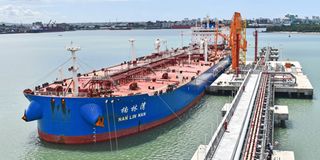
Global trade is facing unprecedented disruption as geopolitical tensions, shipping bottlenecks and climate-related shocks strain supply chains.
For an import-dependent economy like Kenya, these disruptions have raised the cost of imports while slowing exports to key international markets.
Amid concerns over freight charges and delayed shipments, one crucial issue deserves greater attention: marine cargo insurance. Long treated as a routine administrative requirement, marine insurance has become a critical element of business continuity and regulatory compliance.
Kenya’s regulatory environment has changed significantly. Under Section 20 of the Insurance Act, all marine cargo insurance for imports must be obtained from locally licensed insurers.
Although the law has existed for years, enforcement has intensified following the integration of marine insurance verification into the Kenya Revenue Authority’s Integrated Customs Management System (ICMS).
Today, imported cargo cannot be cleared at the Port of Mombasa or other entry points unless the ICMS digitally confirms a valid local marine insurance policy.
This has helped eliminate fake or altered insurance certificates, reduced revenue leakages and improved the integrity of customs processes. Digital verification has also streamlined cargo clearance by reducing reliance on paper documentation.
However, increased automation brings new risks. Because the system depends on uninterrupted digital infrastructure, technical failures can delay cargo clearance, causing costly backlogs, storage charges and losses, especially for time-sensitive or perishable goods.
To sustain efficiency, the Kenya Revenue Authority, the Insurance Regulatory Authority and technology providers must invest in reliable systems, backup infrastructure and contingency measures that keep trade moving during outages without compromising security.
Businesses, too, must rethink their approach. Marine insurance is no longer merely a regulatory obligation but an essential risk management tool.
In an era of global uncertainty, ensuring shipments are adequately insured through compliant local providers protects businesses from costly disruptions while supporting a stronger and more resilient domestic insurance sector.
John Mugambi is the Head of Underwriting, First Assurance Company Limited.
Unlock a world of exclusive content today!Unlock a world of exclusive content today!