Hidden dangers in Kenya’s skin-lightening obsession

BD Skin lightening

Kenya battles harmful skin-lightening trends amid rising health risks and weak enforcement.

Photo credit: Shutterstock

The vast majority of blacks are comfortable in their dark skins, but there is a minority that no longer believes black is beauty.

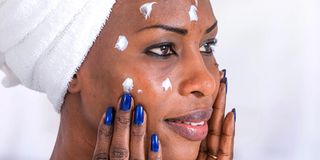
This group will go to any lengths to lighten their skins using both topical medications (those that are applied) or local injections.

How I wish they would understand that true beauty lies in a healthy skin! A simple routine of sufficient fluids intake, a good diet and minimising stress levels is enough to maintain a healthy skin. Where necessary, however, use correct skin products from authorised sellers for your skin type.

Melanin is a product made by cells in the skin to protect it from damage by ultra violet (UV) rays. It gives a sun protective factor of five to 15 depending on a person’s skin type.

UV causes DNA damage that leads to death of skin cells, mutation and aging. The skin cells need mechanisms to protect themselves from external damage, repair damaged cells, and also programme death and elimination of those that cannot be repaired.

Medical dermatologic treatments are strictly intended for prescription by doctors. The skin, our largest body organ, is exposed to our eyes and is easily accessible, hence the blatant abuse of applications and local injections.

Genuine dermocosmetics are always distributed through pharmacies, doctors’ clinics and hospitals. Consumer-grade dermocosmetics are supplied through supermarkets and authorised cosmetic retailers.

They always have a mark of quality from the country’s quality and standards institution, in this case the Kenya Bureau of Standards. Some indicators of fake products, other than where they have been purchased from, include: those that are relatively too cheap compared to products from authorised sellers, have a heavy scent, are not well sealed, are of a different tinge or colour or are packaged in low quality containers or boxes.

The most common reasons patients in Kenya seek skin-lightening products or treatments include low self-esteem and career pressures; with social media influencers, entertainers, media personalities and commercial sex workers most likely to use bleaching agents.

With increasing knowledge and awareness on dangers of skin lightening products, the demand for bleaching agents has been declining relative to the general population. Some key populations are, however, still affected and desire skin lightening chemicals.

Unregulated or over-the-counter skin-lightening creams tend to contain steroids, even when they are labelled as steroid free. When used, steroids initially give a glow to the skin.

Then, with time, they cause the skin to atrophy (thin), develop stretchmarks and/or acne, get pigmentary differences and age faster. Internally, they lead to high blood pressure, high blood sugars, deranged lipids and metabolic syndrome.

Hydroquinone and its derivatives are other popular additives in the skin lighteners. These, in high percentages, lead to kidney damage in addition to skin damage. Mercury, another product in the lighteners, also damages the kidney.

Chlorine leads to skin thinning, damage and metabolic disorders. Acids that are added to smoothen and lighten the skin, thin and damage it with time.

Other complications or illnesses associated with skin lightening products include discolouration of the skin (Ochronosis), new onset diabetes mellitus and skin cancers as a result of skin damage.

That said, there any medical circumstances where skin-lightening is justified or safe, when done under dermatological supervision, such as in the treatment of vitiligo universalis, which refers to skin disorder characterised by extensive depigmentation.

There is increased public awareness about effects and dangers of skin lightening products, but there are people who use them without adequate knowledge, such as in instances where a product was recommended by someone to address a skin concern. There are also those who are aware of the risks but are still willing to lighten themselves.

Kenyan regulations as set by Kebs and the Ministry of Health are sufficient to control harmful skin-lightening products, but the lack of enforcement has opened a large loophole for profiteers to take advantage of the vulnerable.

The government and its designated regulatory bodies can do more to protect consumers by closure of businesses selling unapproved products and prosecution of sellers of unauthorised substances.

Our colonial legacy as well as Eurocentric beauty standards have been cited as having an influence on Kenyans' preference for lighter skin, but the truth of the matter is that many Kenyans are comfortable in their skin colour, so long as it is healthy. Some are even wary of using products that will change their appearance.

I would advise young Kenyans who feel pressured to lighten their skins to visit a dermatologist for treatment and/or guidance.

The writer is a Consultant Dermatologist, Venereologist and Dermato-Surgeon at the Kiambu-Road based AAR Hospital.

PAYE Tax Calculator

Note: The results are not exact but very close to the actual.