Financing Agri-Food Systems Sustainably (Finas) 2025 Dialogue
Agriculture is the mainstay of Kenya’s economy, employing millions and feeding the nation. Yet beneath its vital role lies a troubling reality; inconsistent quality, post-harvest losses, and limited access to formal markets continue to undermine trust and stifle growth.
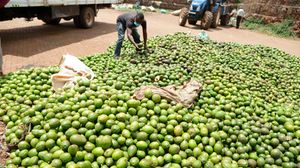
Up to 40 percent of the country’s fresh produce is lost after harvest.
Reports from the Kenya Marine and Fisheries Research Institute (KMFRI) show post-harvest losses along the aquaculture value chain accounts for up to 60 percent of production. That is not just waste—it is lost income, nutrition, and opportunity.
The latest data from the Agriculture and Food Authority (AFA), for instance, indicates that Kenya’s vegetable export earnings reduced by 53.83 percent to Sh23.5 billion in the 2024 crop season due to tougher compliance conditions imposed by the key European Union (EU) market.
AFA attributed this to increased interceptions of consignments that exceeded the maximum level of pesticide contamination allowed by the EU and inspections at designated entry points.
The number of interceptions related to maximum residue level (MRL) on Kenya’s vegetable exports rose to 57, up from 25 in 2023, indicating a heightened level of non-compliance with residue requirements.
The frequency of inspections for Kenya’s vegetables, meanwhile, rose from five percent to 15 percent at designated EU entry points.
These enhanced regulatory controls had a direct impact on market access, shipping timelines, and the cost of compliance, ultimately contributing to substantial reduction in our vegetable export earnings.
As climate change accelerates, consumer expectations evolve, and global markets become more demanding, the need to raise standards across the agricultural value chains, including for aquaculture and livestock farming, has never been more urgent. But without robust systems of traceability, food safety, and sustainability, we risk falling farther behind.
Elevating standards is not about ticking boxes for international compliance. It’s about safeguarding our people, our environment, and our future.
Kenya must invest in frameworks that prioritise soil health, water stewardship, ethical labour practices, and smart post-harvest handling.
These are not luxuries, they are necessities for building a resilient food system that can withstand shocks and seize opportunities. Technology offers a powerful lever.
Digital records, blockchain traceability, and precision agriculture can revolutionise transparency and efficiency. But innovation alone is not enough. Smallholder farmers, cooperatives, and agri-preneurs must be supported with training, financial tools, and market access.
The conversation around agriculture must shift from quantity to quality, from production to responsibility. Stronger standards mean safer food on every Kenyan plate, greater confidence from international buyers, and a healthier planet for generations to come.
Reform is not optional. We need bold leadership, forward-thinking policy, and grassroots participation to build a food future we can be proud of.
Embracing market certification standards such as GLOBALG.A.P. can empower Kenyan farmers to access global markets, improve food safety, and adopt sustainable practices that protect both people and planet.
Harvest is only the beginning. What comes after—the standards we uphold, the systems we build, and the values we embed—will determine whether Kenya’s agri-food sector can truly flourish in the 21st Century.
The writer is the Lead at Rootooba and Host to Kenya’s GLOBALG.A.P. National Technical Working Group.
Unlock a world of exclusive content today!Unlock a world of exclusive content today!