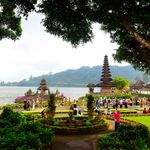
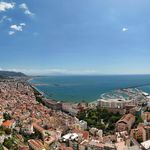
Nyali has the priciest beachfronts in the Kenyan coastal region, with an acre retailing at Sh146.4 million, while Vipingo Beach offers bargain hunters a chance for a luxury plot.
Nyali’s pristine beaches, whose front-row land prices have jumped 24 percent in the last five years, enjoy better infrastructural development that has made it a maganet of Kenya's elite under a presidential decree that lasted 44 years till 2014.
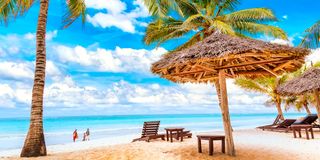
Beaches in Vipingo and Kikambala are the lowest priced at Sh38.9 million and Sh36.3 million an acre, respectively, as hoteliers and wealthy home owners regard them for less aesthetics and facilities.
“The intensive development of Nyali has delivered the Coast’s highest average price per acre but the area’s price growth has slowed since 2020 as investor interest has moved to areas of outstanding natural beauty at lower premiums,” said Sakina Hassanali, Hass Consult co-CEO and creative director.
“Diani and Watamu have led these, but also include Lamu, where prices have risen by 59.1 percent over the five years,” she added. Prices in Lamu Island have rallied in the last five years to within reach of Nyali at Sh139.9 per acre as investors are lured by its wide beaches, especially in places like Shela Beach.
The island has seen increased investment in cottages and upgrading of existing hotels as infrastructural accessibility and security improved in the area.
Diani recorded the fastest price increase in the coastal area, with an acre at the beach front selling at an average of Sh65.3 million being a 79.1 percent increase from five years earlier.
Other areas that recorded price rises included Watamu at 70.4 percent to Sh44.5 million and Bamburi is up 56.6 percent to Sh97.4 million in the period under review, according to data from Hass Consult Coast Land Price Index.
Watamu boasts wide beaches of up to 70 metres, but they are, however, broken by bays and inlets. This is in contrast to Shanzu at between 15 and 40 meters.
Investors at the Coast were primarily lured by beauty, which saw them pay premium prices even in areas that had poor infrastructure.
“For areas with narrower beaches, less accessibility, fewer lifestyle facilities but still distinct beauty, price growth has averaged around 40 percent with resorts expanding in and around Kilifi Town, Kikambala and Mombasa City,” said Hass Consult.
Land in Mombasa, which hosts English Point and Shanzu beaches, was selling at Sh120.3 million per acre.
Besides investors in the hospitality sector, retirees, tourists and remote workers were cited as key drivers of the land prices in the coastal region.
Globally, a third of tourists tend to look for permanent dwellings in areas where they enjoy a stay, noted Hass Consult.
Introduction of work from home has seen more people willing to set up in the Coast, a move that has driven up demand and change of design of structures being set up. Previously coastal residents had a preference for semi-permanent structures that were cheap to set up, which had weak rental yields.
Poor titling of land was cited as a major hindrance of land prices in the coastal region as investors are not willing to buy nor put up development without clear ownership.
“Some areas of Kilifi and Kwale are seeing land prices depressed, however, by land title hold-ups, poor infrastructure and water shortages,” said Ms Hassanali.
“Professionals moving to the Coast or relocating from all over the world to enjoy leisured retirements, simply will not buy when land titles are uncertain or water precarious,” she added.
Large tracts of communal land have also affected investment in the coastal area. This saw Malindi register the lowest land prices of Sh25.9 million, where it has public beaches such as Mayungu.
The hunt for beauty premium has resulted in growing divergence of land prices at the beachfront and those in the inland.
Nyali’s beach front, for example, is selling 28 percent more than the average for the area where even one row back is selling at nine percent lower than the sea view.
The beauty of Nyali had seen Kenya’s founding President Mzee Jomo Kenyatta decree that only the Head of State could authorise the sale and transfer of land on the front and second row of beaches at the coast, especially at Nyali.
This had seen land officials demand presidential consent as a precondition to register transfers of land or leases situated on the first and second row along the beach.
The decree was declared to have been a roadside declaration that did not have any legal backing 44 years later in 2014. The quashing of the decree gave land owners freedom to conduct transactions on their property without the tedious and lengthy land procedures. It left most of the prime land in the hands of the politically correct elite.
The most valuable coastal land is within one kilometre of the beach front, which would limit it to around 536 square kilometres of land.
However, around 30 percent of that coastal strip is excluded from development by natural or protected features such as mangrove swamps and sand dunes, reducing the prime coastal land assets to little more than just 375 square kilometres.