NSSF to cap investments in government debt at 60pc

David Koross.

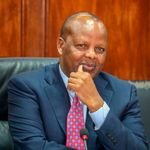
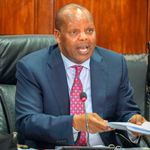
National Social Security Fund (NSSF) Managing Trustee and CEO David Koross.

Photo credit: Dennis Onsongo | Nation Media Group

State-controlled National Social Security Fund (NSSF) wants to cap its exposure in government securities at about 60 percent of its total investment assets, potentially redirecting billions of shillings into equities and offshore investments.

The fund held Sh355.4 billion worth of Treasury bonds at the end of June 2025, accounting for 64 percent of its total investment assets of Sh558 billion. It also held Sh34.3 billion in Eurobonds and Sh1.57 billion in corporate bonds, bringing its total bond holdings to Sh391.25 billion or 70 percent of assets.
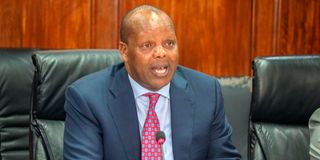
NSSF Managing Trustee and Chief Executive David Koross told the Business Daily that holding the share of assets in government bonds at the lower level will reduce concentration risk for the fund, while also allowing it to take advantage of higher returns currently available on other investments such as equities.

In the year to June 2025, NSSF’s return from its investment assets stood at 22 percent, which yielded a 17 percent return to members on their savings after accounting for costs and other fees.

“We are rebalancing our investment in government securities to the region of about 60 percent, and expect to deploy the extra percentage to other asset classes so that we have sustainable long term returns in the double digits,” said Mr Koross.

“Some of these government securities are sitting below our target return. For now, we are looking at redeploying the capital to equities, alternative assets such as offshore where we have a low exposure and even regional markets ... we want to create a more diversified portfolio, while keeping an eye on risk.”

Its equities holdings grew to Sh85.13 billion, or 14.8 percent of total assets, in June 2025 from Sh61.2 billion a year earlier, reflecting both additional investment and capital gains after the stock market recorded a gain of 51.8 percent or Sh1 trillion to Sh2.94 trillion in 2025.

The fund is expecting to raise about Sh100 billion in contributions from members this year, meaning that with a larger share set to be put into equities and other non-interest bearing assets if the fund holds bonds at the 60 percent ceiling.

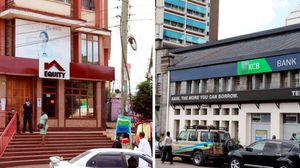
The NSSF, like other pension funds, mainly invests in the larger blue chip stocks such as Safaricom, KCB Group, EABL and Equity Group, whose share prices could gain once the fund starts putting a larger share of contributions into the equities market.

NSSF contributions to the fund were enhanced starting February 2023 following the implementation of the NSSF Act 2013 after a decade-long court battle.

The new rates kicked in with an increase of a member’s ceiling contribution from Sh200 per month to Sh1,080 —matched by the employer— in the first year. In the second year, starting February 2024, the rate was raised to Sh2,160, before going up again to Sh4,320 starting February 2025.

This month, the contribution cap will go up further to Sh6,480 per month, for those earning Sh108,000 and above per month.

Overall, NSSF's net assets rose to Sh572.77 billion in June 2025, from Sh400.2 billion in the previous year.

The larger pool of funds has allowed the institution to diversify into alternative assets such as Real Estate Investment Trusts, private equity, Eurobonds and unit trusts, while also making additional investment into its more traditional assets such as bonds, equities and property.

Follow our WhatsApp channel for the latest business and markets updates.

PAYE Tax Calculator

Note: The results are not exact but very close to the actual.