Time flies with great content! Renew in to keep enjoying all our premium content.
Prime
Planning your rock garden
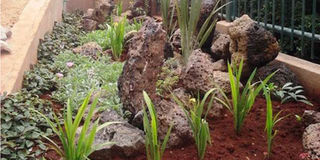
Fenesi Gardens in Westlands. The garden is characterised by some volcanic rocks, with plants like Swedish Ivy, Gazania and Phormium tenax (botanical name). PHOTO | COURTESY | LANDTEK STUDIOS
Classic rock gardens have visual qualities of a jewel box, with tier upon tier of gentle plants sparkling like gems among rocks. Rocks and succulent plants which can withstand harsh conditions in mountain regions characterise rock gardens.
Such gardens are gaining popularity as they add a touch of modernity to landscaping and can fit a variety of set-ups including residential, commercial and industrial.
Aside from their aesthetic value, rock gardens are easy to maintain and are in season all year round.
Landtek Studio landscape architect Pius Mwambingu says the basic thing in a rock garden is that the rocks are visible.
He explains the things that should go into planning a rock garden into your homestead or commercial set-up, depending on your desire.
Design theme (Xeriscape)
The first thing is to describe to the landscaper the kind of rock garden you want for your available space. In this case, the landscape design is one that would require little or no irrigation.
“Once you are clear on the design theme you will be able to decide on what plant types to have in your garden,” he says.
This is the xeriscape design theme. It incorporates plant types that can withstand harsh conditions. Succulent plants are a smart pick in this case.
You can add to the set-up a little bit of grass such as the fountain grass, desert roses and various varieties of sedum. To make things interesting, select features to include in the garden from a variety of colours.
Of essence is that the rocks be visible, otherwise the garden ceases being a rock garden if it’s all covered up in plants and greenery.
Location
Decide whether you want this garden feature in your backyard or front lawn. From there, pick its specific placement and the shape you want it to take.
Will the garden take up a large portion of your yard or will it be confined to a flower bed. Mwambingu says where you decide to place your garden should be strategic so that it can be appreciated.
“Let it sit where it can easily be seen so consider the view before establishing it there,” he says.
If you have some wiggle room, do not hesitate to include other landscaping needs such as stepping stones made of small pebbles. These stylishly fill in the space between large sections of rock.
Depending on your surroundings, you can choose local rocks, big specimen rocks, and imported rocks of special colour.
Additional features
You can add value to your rock garden by including additional features such a water feature, benches around it, garden ornaments and lighting.
Rocks and water are a natural paring. A rock garden surrounding a small pond or waterfall can be a great investment in your yard.
A water feature can accompany the rock and plants in the garden to create contrast and a blend together like they would in a natural habitat.
Sitting areas like a bench in the garden create variety. There are hundreds of bench designs specifically made for the garden from which you can chose from. Take a drive to Jamhuri Race course and you will be spoilt for choice when it comes to benches and other garden ornaments.
Garden ornaments that may accent your garden include pots, sculptures, solar lights and gazing balls. Lighting plays a vital role of illuminating your garden especially in the night.
You can check online for a number of tutorials on establishing a rock garden and then use this to have your landscaper build it up for you. These can offer the much-needed background to settle on a specific xeriscape.
After researching and talking to your landscaper, you can now embark on creating an effective rock garden that seamlessly blends with your landscape.
Note that a well-designed rock garden evokes a sense that Mother Nature has courteously bestowed some of her best work on your land.