After the resolutions fade: Meet the people who stayed the course

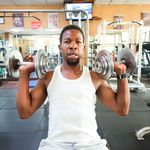
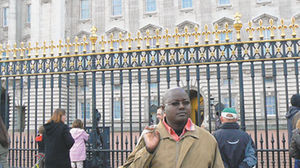
When resolutions faded, they kept going: Maurice Mutwiri, Dennis Githu and Eva Kariuki.

Photo credit: Pool

It happens like clockwork. One year grinds to a stop. The next one starts right up. And the promises begin to flow.

“This year I won’t do this or that,” one will declare. “New year, new me!” they insist.

“This is the year that I do such and such,” another swears on social media. “It’s my year of becoming!” they caption a carousel of images showcasing the running gear they already bought in anticipation.

And they mean every one of those words. They shut down the open tab at their favourite local joint, get a fitness coach, and do a dry lap of their running route. They even manage to post, “One month into my health journey,” without it being a lie. And then it goes quiet. No more progress to report.

But there are some, a few, who, when the year grinds to a halt, and the next begins, are still found in the wagon. They may be bruised and their shoes dusty, but a glow emanates from within them. Their eyes dance with knowledge and insight, and they acquire a hunger for more.

We caught up with a handful of these bright-eyed individuals who saw their goals through to the end of the year.

Vee Nyambura: Building strength, balance and consistency

Veronica ‘Vee’ Nyambura, an AI automation specialist and projects coordinator at Sagan Recruitment, wasn’t chasing a dramatic transformation. She simply wanted to feel stronger, have more energy, and improve her posture.

“My goal was to lose a few kilos, tone up, and build a healthier routine overall,” she says. “I wanted to create a lifestyle where movement was a natural part of my day.”

A long-time runner, Ms Nyambura says her motivation came from realising that her progress tended to rise and fall periodically.

“A short break would undo everything,” she explains. “I needed a more balanced and consistent routine, something that would build lasting results.”

Her approach unfolded in phases. She began with intermittent fasting, an 18:6 routine that involved fasting for 18 hours and eating within a six-hour window. She is quick to emphasise that this method works differently for everyone and advises consulting a professional before trying it.

“For me, this rhythm, paired with short 2-3km runs three or four times a week, worked beautifully.”

But it wasn’t enough. Craving more structure, she joined a gym and committed to five sessions a week, with one day dedicated to a 4-6km run “just to keep the heart honest.”

Then came the diet overhaul. Wheat and soda were the first to go, in what she jokes was “a messy breakup”. She replaced them with healthier carbohydrates: sweet potatoes, nduma, alongside proteins and vegetables. Lots of vegetables. They accompany every meal.

Hydration became non-negotiable, with at least two litres of water daily. And finally, sleep – a minimum of seven hours – took its rightful place in her wellness plan.

“I learnt that rest isn’t a luxury; it’s part of the workout.”

Piece by piece, these changes came together to create a routine that felt sustainable, energising and enjoyable. But it was not a perfect process.

“There were days when my 18:6 fasting turned into 10:14, and some mornings when the gym felt like a distant dream and I couldn’t get myself through the door,” she admits. But she never let it spiral.

“Every time I slipped, I reminded myself that consistency is not a straight line. Some days you show up at 100 percent, and some days you only have 40 percent to give, and that still counts,” she says.

“What mattered most was getting back up the next day and choosing the routine again. Over time, the plan didn’t just evolve; I evolved with it.”

Interestingly, Ms Nyambura does not frame her hardest moments as challenges, but as sacrifices, particularly time.

“Some days, finding even 30 minutes felt like a stretch,” she confesses. “And convincing yourself to leave the warmth of your bed on those chilly July mornings? That’s a battle. You negotiate with yourself like it’s a hostage situation.”

Through this struggle, she learnt something important.

“You don’t need huge blocks of time to transform your body,” she says. “Some days all I could manage was a short run, a quick workout, or a simple stretch session. But once I started treating those small pockets of time as investments instead of inconveniences, everything changed.”

Today, Ms Nyambura weighs 58kg, down from 65kg. She feels stronger, is more toned and more confident in her body. But the most meaningful progress has been internal.

“I’m calmer, more focused, and I handle stress so much better now,” she says. “Working out stopped being about how I look; it became about feeling grounded, balanced and energised.” Then she adds with a laugh, “I still want to look better!”

She also credits the physical effort with strengthening her mental resilience.

“It’s amazing how sticking to a routine, pushing through tough workouts and showing up on hard days made me more disciplined, resilient and confident in other areas of my life.”

Not everything worked. Some workouts failed to deliver results, some foods didn’t agree with her, and she had to keep adjusting routines. All of this, she says, is part of the journey.

“Nothing needs to be written in stone. Your body is always your best guide,” she says. “Every ‘didn’t work’ is a lesson nudging you towards what truly does. Listening, adapting and being gentle with yourself makes all the difference.”

Her next chapter involves getting more toned and exploring movement beyond the gym – swimming, yoga, pilates, even dance – to challenge her body in new ways and make fitness more fun.

To those setting goals for 2026, her advice is simple.

“Start where you are, however you can. Ten minutes, twenty, an hour—it all counts,” she says. “Fitness isn’t a race, nor is it about perfection. It’s a journey with no destination.”

Maurice Mutwiri: Lean muscle, speed and discipline

Maurice Mutwiri, or Coach Maurice as he is better known, helps others achieve their fitness, nutrition and wellness goals. But this year, he became his own most demanding client. His target: 85kg of pure, lean muscle.

“My previous goal had been to bulk up, which I did. But when you’re bulking up, putting on some fat is inevitable,” he says. “So this year I wanted to shed the fat and drop the weight from 93kg to 85kg.”

That wasn’t all he was after. He also wanted to pack on more muscle and improve his speed, to become, as he puts it, “a big bad machine with speed”. The plan was simple: hybrid training and a caloric deficit.

“In addition to lifting weights, I introduced running into my routine. I’m currently training for a marathon,” he reveals. “And when it comes to nutrition, since the idea is to lean out, I need to consume fewer calories than my body burns. So I did the calculations based on my age, height and weight, and now I track and measure my proteins, carbs, vegetables — everything — before consumption.”

His motivation? Aesthetics. He is unapologetic about caring how his body looks.

Coach Maurice Mutwiri, a lifestyle coach, implemented a hybrid training routine that saw him lean out, pack more muscle, and become faster. 

Photo credit: Pool

To achieve this, he hits the gym first thing in the morning, four times a week. He warms up by taking the stairs to the fourth floor, where the gym is located, followed by light stretches. Then, for an hour to an hour and a half at most, he works either his upper or lower body, depending on the day. After the workouts, or later in the evenings, he adds treadmill sessions to get extra steps in.

Saturdays find him on the road with a six-month-old troop he has rallied together — the Thika Road Fitness Community — which walks or runs from different meeting points along Thika Road, from 6am to 9am.

Food-wise, he follows a strict diet of two meals a day: the first around noon and the second between 6pm and 8pm. With a daily allowance of 2,500 calories, snacking between meals is off the table.

The biggest challenge has been balancing consistency in his fitness routine with managing and growing his business.

“It hasn’t been easy, but I don’t give excuses,” he says. “I do whatever it takes to make the time, even if it means waking up earlier to work out.”

Boasting flawless attendance at his fitness sessions — no slip-ups or truancies — Coach Maurice says his responsibility as a fitness leader keeps him accountable.

“I don’t have a choice. There is a whole community looking up to me, and I can’t disappoint them.”

Having achieved his target, he is satisfied — but far from done.

“I want more. I just know there is room for improvement,” he says. “So I’ll keep doing more. Next year, I want to grow my calves and introduce Hyrox workouts.”

If there is one lesson he has taken from a year of commitment, it is that power follows where the finger points.

“We tend to give our power away by shifting blame, but in the end, it’s on us to find the solution.”

Unexpected benefits followed. He has seen an increase in clients, driven by proof of concept.

“I’ve been documenting my journey on social media, so people have seen me working on myself and getting results. They trust me more now.”

His advice to those setting wellness goals is practical: get a coach if possible, preferably one with a proven track record. Learn the basics. Create an efficient system. Set clear goals and break them down into small, realistic steps. Remove anything that hampers progress. Prioritise 7–9 hours of sleep. And embrace active movement.

Eva Kariuki: Clean living and self-healing

For Eva Kariuki, 2025 was the year of clean living.

“I wanted to stay away from anything toxic,” she says. “For me, this included alcohol and other drug-like substances, aluminium-based deodorants, gel polish, synthetic hair dyes, junk food and, most importantly, modern medicine. I wanted to try to heal myself with herbs.”

A self-confessed wellness enthusiast, her journey began in 2017 after recurring bacterial infections and repeated rounds of antibiotics offered only temporary relief. Frustrated, she turned to research, which reshaped her understanding of food and health.

Eva Kariuki embraced clean living in 2025 and no longer uses modern medicine or aluminium-based deodorants.

Photo credit: Pool

“I decided to experiment and remove all animal products from my diet,” she says. “I stuck to vegetables and fruits — and the infection cleared.”

The benefits extended further. Her brittle, yellowing nails grew strong, her skin cleared, the brain fog lifted, and even an ovarian cyst disappeared.

“It was mind-blowing. I had no idea how deeply food affects our well-being,” she says. “Since then, I’ve stayed on this diet and try to improve my quality of life every year.”

Her approach was slow and deliberate.

“If you do everything at once, you will fail,” she says.

She staggered her goals. When she ditched aluminium deodorants, she paired it with a fruit fast in May, using it as a detox period. To manage sweating, she explored organic deodorants and herbal supplements such as chlorophyll and alfalfa.

Abandoning modern medicine required faith.

“I hoped I wouldn’t fall seriously ill this year,” she laughs. Still, she was cautious. For minor ailments, she replaced tablets with herbs such as red raspberry leaf and slippery elm.

Ms Kariuki now reports stable moods, improved mental health, regular digestion, clear skin, reduced menstrual cramps and a stronger immune system.

“Imagine, I didn’t fall sick this year — not even a cold!” she says.

The journey wasn’t seamless. Temptation, especially junk food, occasionally crept in. But since her goal was reduction rather than elimination, she doesn’t see it as a failure.

Timing-based goals also proved challenging: eating dinner by 6pm, sleeping by 10pm, and cutting back on mindless scrolling.

Still, she considers the year a success and plans to build on what worked. Her next steps include better hydration, journaling, mindfulness, meditation and finding a fitness routine that suits her.

“I like how I feel when I’ve been consistent,” she says. “The change may not happen immediately, but it compounds. Your body rewards you.”

Her advice: curb cravings through fasting, seek professional guidance, cultivate self-awareness and learn to heal yourself.

“Health is an investment. Take care of your body, and it will take care of you.”

Dennis Githu: Cycling for mental health and saving lives

Dennis Githu’s wellness resolution for 2025 was simple and selfless: to save lives by cycling at least 1,000km to educate men on mental health and promote fitness as a tool for mindset change.

But he does not present himself as a hero. He speaks as someone who understands pain.

“I lost my father in 2020. He died and was buried in the United Kingdom, denying us the chance to say goodbye,” he says.

The lack of closure became unbearable. He attempted suicide four times. The final attempt was stopped by his dog, which sensed danger and intervened. That moment pushed him onto a bicycle.

Cycling became an escape.

Dennis Githu, 'the cycling rasta', surpassed and tripled his goal of cycling 1000km this year to educate men on mental health, saving at least 25 lives. 

Photo credit: Pool

“Every pedal takes your mind somewhere else,” he explains. “You stop thinking about what’s killing you inside and start focusing on the road — potholes, cars, pedestrians. It forces you to be present.”

He found community and freedom, born of movement, fresh air and reaching places he never imagined. Wanting to share that experience, he founded Cycle 4 Fun, a cycling club focused on supporting men.

“We are losing too many men because they’re told to be strong and self-dependent,” he says. “But that’s not true. We need shoulders to lean on.”

The club holds organised rides every Sunday and special long-distance ‘Suicide Awareness Tours’, where cyclists stop in towns and villages to engage strangers and share stories. Some open up immediately; others return weeks or months later to say that one conversation changed their lives.

This year alone, Mr Githu estimates at least 25 lives have been saved.

The work is heavy.

“Some of the stories people share affect us deeply. You need mental breaks too.”

He takes them when needed, but healing stories draw him back. Having clocked 3,000km — triple his target — his worldview has shifted.

“I realised I can do anything, anytime, anywhere,” he says. “I’ve cycled from Nakuru to Mombasa and even to Arusha. Before that, I never thought it was possible.”

His next goal is cycling to South Africa.

Beyond cycling, his mission extends through another group, Hatuendi Home Adventures, for those who prefer hiking. The philosophy remains the same: movement as medicine, nature as mirror, conversation as healing.

“Movement clears your mind,” he says. “When you go back home, the things that were haunting you feel smaller. Life didn’t end — it just needed you to move.”

PAYE Tax Calculator

Note: The results are not exact but very close to the actual.