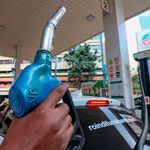
Top consumers of diesel in Kenya, including the agricultural sector, road transport, industrial and power generation plants, have been denied cheaper fuel in the new pricing cycle to August 14, 2026, after the State opted to transfer potential price reliefs to petrol and kerosene products.
Fresh data shows that the landed costs of diesel fell 23.9 percent to $984.37 (Sh127,692.47) per cubic metre last month from $1,294.71 (Sh168,079.25) while petrol dropped one percent to $886.92 (Sh115,051.26) from $901.16 (Sh116,988.59) for the same quantity in the same period.
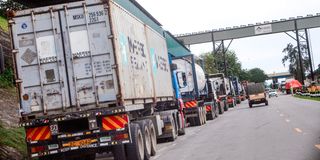
Landed cost is the total expense required to procure and deliver petroleum products before local taxes, distribution margins, and retail markups are added and has a direct influence on pricing.
Despite the significant drop in the landing cost of diesel, the State kept pump prices unchanged, denying consumers price cuts of at least Sh8.02 per litre in the latest prices that are in force until August 14. The expected drop in diesel prices was instead used to cross-subsidise petrol and kerosene prices.
The price of a litre of diesel, petrol and kerosene remained unchanged at Sh222.86, Sh214.03 and Sh191.38 respectively.
Homes and businesses are currently smarting from steep prices for goods and services, with inflation at 6.4 percent. A drop in fuel prices could have helped lower the cost of living.
Diesel is the major fuel powering farm machinery, industries and public transport, and its prices are critical in determining inflation—the cost of goods and services.
“In the period under review, the maximum allowed petroleum pump prices for super petrol, diesel and kerosene remain unchanged,” Joseph Oketch, the acting Director General of the Energy and Petroleum Regulatory Authority (Epra), says in the notice on new pump prices.
Landed costs are the single biggest determinants of pump prices in Kenya. Last month’s drop in landed costs of the three grades of fuel had set the stage for consumers to enjoy price cuts at the pump.
The pricing schedule released by Epra shows a subsidy of Sh5.08 and Sh14.72 per litre of petrol and kerosene, respectively. The Sh8.02 price cut per litre of diesel that consumers missed out on was instead used to cross-subsidise petrol and kerosene prices.
Additionally, the State tapped Sh945 million from the Petroleum Development Levy (PDL) kitty to subsidise petrol and kerosene prices.
The PDL kitty, which is funded by collections of Sh5.40 per litre of diesel and petrol and Sh0.40 for every litre of kerosene is nearly depleted mainly due to the steep subsidise applied since April in the wake of the US-Israel war on Iran, which led to skyrocketing prices of refined fuels.
VAT on fuel was lowered from 16 percent to 13 percent on April 15. This rate then fell to eight percent as the State moved in to lower taxes on fuel and cushion consumers in the wake of the Middle East conflict.
A ceasefire between the US and Iran inked in April helped stabilise the global energy markets and the reopening of the critical Strait of Hormuz, which in turn eased global prices of fuel in May and June.
But the countries have since escalated the conflict with renewed attacks from last week, once again destabilising the global energy markets and triggering a rally in fuel prices.
Prices of Brent crude –the primary international benchmark— crossed the $85 (Sh11,026.20) per barrel mark on Tuesday in the wake of the renewed conflict, signalling tough days ahead for consumers.
Energy and Petroleum Cabinet Secretary Opiyo Wandayi has already warned that pump prices will rise in the coming months, reflecting the impact of the escalation of the US-Iran war.
“With the restart of the Middle East crisis, international benchmarks have now begun to climb again, and this renewed pressure will be reflected in the pricing cycles that follow,” Mr Wandayi said on Tuesday.