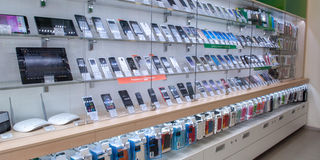
The cost of sourcing phones and laptops from abroad could rise over a new proposal by the government to introduce processing fees, on the permit required to import communication devices into Kenya.
The Communication Authority of Kenya (CA) plans to begin charging Sh15,000 for a permit to bring in gadgets for commercial use and Sh5,000 for personal imports. Both have previously been issued for free.
Importers currently apply for permits online through the National Electronic Single Window (NESWS). Now, CA says the processing, from initial checks to final inspection of goods, is costly and needs to be offered at a fee to sustain it.
This could see commercial importers pass down the additional costs to consumers, potentially pushing up retail prices of electronic devices in a market already sensitive to exchange rate fluctuations and import duties.
“The Authority does not currently charge for the permit processing. It is on this basis, and the need to sustain efficient operations, that the Authority proposes to introduce permit processing fees,” CA said in a consultation paper published on Tuesday.
The CA told the Business Daily that the fee is a flat charge, not tied to the quantity of items a person or business imports. A permit is valid for up to a year, the watchdog said.
However, each permit only covers the items listed in a single consignment invoice and an importer will be required to pay for a fresh permit to import another consignment of gadgets.
“The permit processing fee is a flat, non-refundable rate, regardless of the quantity of items being imported. Each approved permit covers the items listed in a single consignment document/invoice,” a spokesperson for the CA said via email.
Kenya imports about 70 percent of its electronic equipment. Mobile phones, computers and networking equipment must undergo a mandatory type-approval process involving inspections to ensure compliance with health, safety, electromagnetic compatibility and environmental standards.
Once approved, vendors and users must apply for import permits through the NESWS portal, also called TradeNet. It is an online platform managed by the State-owned Kenya Trade Network Agency that facilitates documentation for imports and exports.
CA issues import permits for ICT equipment after verifying type-approval status, confirming licensing compliance and inspecting consignments to match declared quantities and specifications.
“The entire process from checking to final inspection is required to be completed within the shortest possible time to avoid demurrage costs to importers. This, therefore, requires substantial resources to sustain efficient operations,” reads the CA consultation paper.
Already, importers of mobile phones into Kenya pay a duty of 25 percent, an excise tax of 10 percent on the customs value, and a 16 percent Value Added Tax applied on the total of the customs value plus the import and excise duties. They also pay a 2.5 percent Import Declaration Fee and a Railway Development Levy of 2 percent of the customs value.
Local retail prices are also sensitive to exchange rate fluctuations, as Kenya relies on the US dollar to pay for imports. A depreciation of the shilling means importers pay more in local currency for the same US dollar-priced goods, driving up the final costs.
The watchdog has invited feedback on the proposal by April 30.