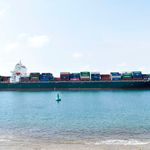
Anxiety has risen over a potential fuel shortage as more petrol stations report thinning supplies, amid indications that no shipments are expected in Kenya over the next 14 days following the US-Israel war with Iran, which has disrupted transport routes from the Gulf States.
A spot check in Nairobi and Mombasa revealed disruptions in fuel purchases by motorists, even as a new shipping schedule showed that no petroleum tanker is expected to dock at the Port of Mombasa over the next fortnight.
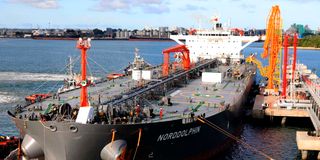
According to the Kenya Ports Authority (KPA) shipping line list released on Monday, 52 vessels are scheduled to dock at the port up to April 5, 2026, but none is carrying fuel. Of these, two are carrying palm oil, 19 are container vessels, four feeder vessels, 21 general cargo vessels and six others of various categories.
A spot check also showed no petroleum tanker waiting at the Kipevu Oil Terminal, while at the Shimanzi oil depots only a few trucks were in the waiting bay to pick up fuel, with some already informed that supplies had run out as of Monday.
Mr Abdi Hassan, one of the transporters, said he picked up his last consignment on Monday afternoon and was awaiting further communication.
"There is a problem which needs to be addressed, there is fuel, already we have been informed of the problem ahead, that is why wholesalers are rushing to get their share of fuel in Mombasa," said Mr Hassan.
A spot check across petrol stations in Mombasa and Kilifi counties showed several outlets had shut down due to lack of supply, with no indication of restocking soon.
“We do not have fuel, we are waiting for our boss to tell us what to do, we dispensed our last drop on Monday about 11 pm,” said John Karissa, a fuel attendant at a station in Mariakani.
Petroleum Principal Secretary Mohamed Liban attributed the shortages to operational challenges, hoarding by oil marketers and panic buying driven by speculation over rising global prices.
He added that the Energy and Petroleum Regulatory Authority (Epra) is addressing cases of hoarding, noting that more than 100 million litres of super petrol have already been released into the market, enough to stabilise supply for over 10 days.
The government maintains that the situation is under control and has urged motorists to remain calm as normal supply resumes.
Last week, Energy Cabinet Secretary Opiyo Wandayi said the country’s fuel supply remains secure and that government-to-government import arrangements are still in place despite disruptions in the Middle East.
Kenya entered the deal with Saudi Aramco, Abu Dhabi National Oil Company and Emirates National Oil Company in March 2023, replacing the open tender system where local firms bid monthly to import oil.
The arrangement was introduced to address challenges oil marketers faced in accessing dollars in the domestic market, amid shortages linked to suspected hoarding and foreign outflows driven by sovereign default fears.
Under the deal, fuel is imported on six-month credit backed by commercial letters of credit issued by domestic banks and confirmed by international banks.
Participating oil marketers are required to deposit amounts equivalent to shipment values with issuing banks, which in turn source dollars to settle payments to suppliers.
The government also issues letters of support to oil marketing companies, benefiting banks, insurers, lenders and other counterparties involved in financing, insurance and hedging arrangements.