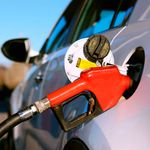
Collections from a levy, which is meant to discourage the use of kerosene to top up the volumes of diesel and super petrol, dipped to a record low last year amid purges that rattled crooks behind the menace.
An analysis of the consumption of kerosene shows that the State collected Sh847.02 million from the anti-adulteration levy last year, marking the first time that the collections fell below the Sh1 billion mark.
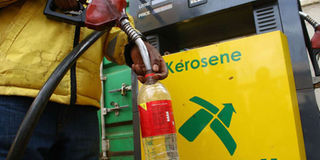
The 16 percent dip from the Sh1.009 billion collected in 2023 came at a time when consumption of kerosene dropped to 47.06 million litres last year— the lowest in a calendar year since the levy was introduced seven years ago.
Anti-adulteration levy—charged at the rate of Sh18 for every litre of kerosene— was introduced to make the fuel costly and lower its appeal to rogue oil dealers using it to illegally increase the volumes of petrol and diesel for sale.
“Conversely, demand for illuminating kerosene has experienced a notable decline since 2018, primarily due to the anti-adulteration levy introduced that year, which significantly raised its price,” the Ministry of Energy says in a separate report.
Consumption of kerosene has been falling over the years from a high of 435.13 million litres in 2018, which was more than nine times the volumes of the commodity consumed last year.
Anti-adulteration levy collections have also dipped by the same margin over the years. For example, collections in 2018 stood at Sh7.83 billion, which was more than nine times the Sh847.02 million raised last year.
Adulterated fuel triggers premature or uneven ignition and thus disrupts combustion, which then leads to knocking of engines, highlighting the risk that contaminated fuel poses to motorists. Dirty fuel leads to the release of higher emissions of hydrocarbons, which in turn pollute the environment.
Rogue dealers had for years used kerosene to inflate the volumes of petrol and diesel that they sold and thus boost their profits, prompting the government to introduce the anti-adulteration levy.
Kerosene has, for years, been a key fuel for cooking and lighting in low-income homes. But high prices of the commodity have made it less appealing to these households. The cost of a litre of kerosene has spiked by over Sh45 between 2018 and this year.
Before the introduction of the anti-adulteration levy, kerosene was significantly cheaper, with the high price margins making adulteration attractive.
For example, in the monthly prices to April 14, 2017, a litre of petrol and diesel retailed at Sh101.05 and Sh90.44 respectively in Nairobi. A litre of kerosene was sold at Sh67.96 in the same period in the capital.
But the price gaps significantly reduced the following year upon introduction of the levy, with a litre of petrol and diesel retailing at Sh116.79 and Sh108.12 respectively in the month to October 14, 2018.
A litre of kerosene went for Sh108.41 in the same period, underlining the impact of the introduction of the anti-adulteration levy among other factors.
The price gap between kerosene and the other two fuels has since reduced over the years, making adulteration less attractive.