Insulin demand up as diabetes among children gains attention

Kenya relies on imported insulin from major pharmaceutical companies such as Novo Nordisk (Denmark), Sanofi (France) and Eli Lilly (USA), making it vulnerable to global price fluctuations and foreign currency shocks.

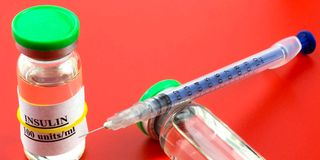
Photo credit: Shutterstock

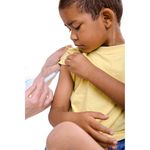
Pharmacies in Kenya are reporting an increase in demand for insulin as more children across the country are being diagnosed with Type 1 diabetes, which requires lifelong treatment.

At Kenyatta National Hospital (KNH), for instance, over 500 children are currently undergoing follow-up care, each of them requiring daily insulin injections to survive.
“This is for life. Children don’t grow out of Type 1 diabetes,” explains Dr Anjumanara Omar, a paediatric endocrinologist at the Kilimani Diabetes and Endocrine Centre.

"If they miss insulin for even a few days, it becomes a life-threatening emergency."

A recent spot check revealed that drugstores in Nairobi, including online pharmacies, are selling more insulin than in previous years.

“We go through about 15 to 20 vials of insulin per week, and when our stock runs low, prices increase significantly,” said one Nairobi-based pharmacist.

"In a good week, we sell between 30 and 40 vials of various brands, such as Mixtard, Actrapid, and NovoRapid," added another pharmacist.

"We sell an average of 12 vials per week, mostly to parents of children under 12. In emergencies, we sometimes sell double that amount —20 vials or more —when public facilities run out mid-month," stated Meshack Nyamanche, a Nairobi pharmacist.

Dr Anjum attributed the rising demand to improved awareness of and diagnosis of diabetes in children, rather than a sudden increase in new cases.

"The awareness of the disease has grown, and so has the number of children being diagnosed with it. Some children will develop diabetes regardless of how healthy their diet is, while others may never get it even with high sugar intake," she said.

She noted that families often spend between Sh10,000 and Sh20,000 each month on insulin, syringes, glucose monitors and clinic visits.

A survey of Kenyan online pharmacies showed that insulin prices vary widely. For example, a 10 ml vial of Mixtard 30/70 costs around Sh832 at Goodlife Pharmacy, while Afyabook lists it at a slightly lower price of Sh800. Dovey Pharma prices the same vial at Sh1,101. The Mixtard FlexPen is available from ePharmacy Kenya for Sh1,100, while a single NovoRapid FlexPen retails for around Sh1,950.

Mixtard vials are also sold by MyDawa for Sh800, and the Mixtard FlexPen is similarly priced at Sh1,100.

A pack of five NovoRapid FlexPens costs Sh10,523, equivalent to around Sh2,100 per pen. Syringes, which are often required for vials, can cost up to Sh2,667 per box of 100 at some outlets.

However, these prices far exceed the government-suggested retail ceilings, highlighting the financial strain on families managing their children's diabetes through private pharmacies.

"Insulin prices vary from Sh800 to over Sh2,000 across pharmacies because of differences in supply chains, import costs, packaging formats, and profit margins. A child’s life depends on this drug, yet access often comes down to where a parent buys it and whether stock is available,' said a salesperson at Afyabook.

Kenya relies on imported insulin from major pharmaceutical companies such as Novo Nordisk (Denmark), Sanofi (France) and Eli Lilly (USA), making it vulnerable to global price fluctuations and foreign currency shocks.

Additionally, more affordable human insulin and biosimilars are imported from India and China, particularly through public procurement or donor-funded programmes.

Trade data from the World Bank’s World Integrated Trade Solution shows that Kenya imported approximately 36.9 tonnes of insulin in 2023, valued at around $4.05 million (Sh522 million), a slight increase from the 35.1 tonnes imported in 2022, worth $3.08 million (Sh397 million).

The bulk of the insulin intended for retail use came from France, the United States, Germany, Denmark, Egypt and India. France alone contributed nearly 18.7 tonnes. Kenya also imported a small quantity of insulin salts in raw form, totalling just 54 kilogrammes.

Public hospitals procure insulin through the Kenya Medical Supplies Authority, while private pharmacies rely on licensed importers.

According to the Ministry of Health, around 6,500 children and adolescents in Kenya were living with Type 1 diabetes in 2024. That year, 1,380 new cases were reported, along with 570 deaths, representing approximately 23 cases per 100,000 young people. Kenya ranks 44th globally in terms of the prevalence of childhood Type 1 diabetes.

"Only 20 percent of Kenyans with diabetes are receiving comprehensive care, leaving over 600,000 individuals underserved,' said Dr Ouma Oluga, Health Principal Secretary.

"Up to two million people may have undiagnosed diabetes or be pre-diabetic, often only being detected after complications such as kidney failure or heart attacks arise."

Dr Oluga added that the ministry plans to reduce the cost of diabetes medication by 50 percent and extend community screening programmes.

"We are developing an access programme in which the Ministry of Health will engage with manufacturers of diabetic products and medicines," he stated.

When poorly managed, childhood diabetes can lead to serious health complications.

"The child may go blind, develop kidney failure, or suffer from heart complications," warns Dr Anjum.

PAYE Tax Calculator

Note: The results are not exact but very close to the actual.