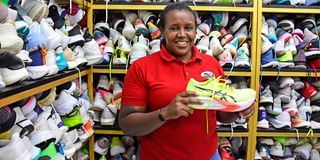
Every month, another marathon appears on Kenya’s race calendar, and for Caroline Njeri, that means more runners walking into her shop looking for a new pair of shoes.
She estimates she now sells between 20 and 50 pairs around major races, a level of demand that would have been unusual several years ago.
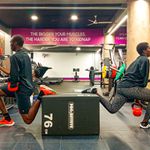
As running takes hold among more Kenyans, from members of organised clubs to weekend racers, the country’s expanding fitness culture is creating a new market for entrepreneurs selling specialised sports footwear and athleisure wear.
Traders of gym apparel and specialised running footwear report rising demand from recreational runners, gym enthusiasts and consumers embracing athleisure as a fashionable everyday choice.
Kenya’s wellness craze is also proving irresistible to multinational sportswear brands such as Anta, a Chinese sportswear manufacturer, Nike, Puma and Adidas, which have deepened their presence in Nairobi.
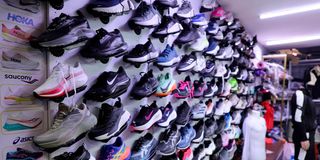
"We have seen tremendous growth," says Caroline, the founder and director of Gerry Running Shoes, adding that Kenyans now seek out renowned brands such as Oc, Asics, Nike, Hoka, Brooks, and Mizuno.
For budget-conscious consumers, cheaper brands offer an entry point. Others, however, are willing to spare no expense for premium footwear and apparel.
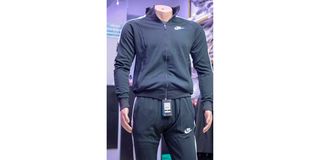
Some of the gym wear sold at BnD Fashion and Fitwear in Nairobi CBD, Tea Room, Accra Towers, by Benson Muchiri, in this on August 17, 2026.
Photo credit: Dennis Onsongo | Nation Media Group
The retailer says imported footwear attracts a raft of costs, including import duty, VAT, railway development levy, import
declaration fees, shipping and clearing charges, all of which ultimately influence retail prices.
Original shoe brands cost as high as Sh60,000, however, what is ailing legit sellers is the influx of knock-off.
"The biggest challenge we face is counterfeits. Customers sometimes struggle to distinguish genuine shoes from fake ones, yet quality running shoes are designed to reduce the risk of injury."
3,000 pieces monthtly
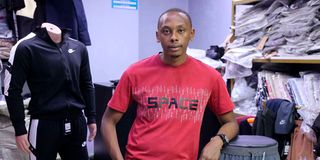
Benson Muchiri, proprietor of BND Fashion and Fitwear, has also had to increase his imports to cater for the growing demand.
In 2023, he says, he used to bring about 900 pieces of athleisure wear a month, but this year he increased to 3,000 pieces monthly. “ I’ve seen a 30 per cent growth over the last two years,” he says. "Fitness is now so ingrained in people's lifestyle. Others are running, joining gyms and becoming more fitness-conscious.”
Some entrepreneurs have set up physical shops, but many say social media has become their biggest sales driver, helping them reach customers beyond their immediate neighbourhoods.
"More than 90 percent of our sales come through social media," says Benson, adding that consumers are increasingly influenced by fitness creators and international fashion trends.
He mostly sources from Asia, particularly Thailand and Vietnam, while some items are manufactured locally.
Like many import-dependent businesses, he is grappling with rising import costs and changing policies.
"Regulations keep changing, so the cost of importing today is different from tomorrow," he says.
Benson Muchiri, who runs BnD Fashion and Fitwear in Nairobi CBD, Tea Room, Accra Towers, in this on August 17, 2026.
Photo credit: Dennis Onsongo | Nation Media Group
Even so, he remains optimistic about the sector's future and plans to expand into the wider East African market as demand continues to grow.
Becoming an activewear founder
For Ruth Akinyi, the opportunity in Kenya’s growing fitness market started with a problem she experienced.
The certified personal trainer and teacher by profession founded Adore Active after struggling to find gym wear that could offer both a good fit and style. One pair of leggings she bought kept sliding down during squat exercises and became loose after a single wash, pushing her to create her own activewear brand.
“I wanted to create a brand that solves these issues and empowers women to feel confident, supported and stylish, both in the gym and when running their daily errands,” Ruth says.
Since then, she says the market has changed significantly, with more Kenyans warming up to local activewear brands. “Activewear is no longer just for the gym. Women have embraced it as an everyday fashion,” she says.
Rught says Adore Active initially catered mainly to dedicated gym-goers, but its customer base has expanded. “Women are building their daily wardrobes around matching sets, flared leggings and jumpsuits,” she says.
The changing tastes have influenced what sells. Ms Akinyi says flared leggings sets are among Adore Active’s best sellers because they offer light compression, do not roll at the waist and are not see-through.
Social media, she says, has also become an important driver of these trends, with styles sometimes gaining traction almost overnight.
“Social media dictates style, colour and silhouette almost overnight,” Ruth says. “If a specific trend like flared yoga pants goes viral on Instagram, we instantly see an increase in inquiries.”
But while demand has grown, running the business has also brought its share of challenges.
“Sourcing and logistics are definitely our biggest hurdles,” she says, citing the difficulty of finding high-quality fabrics, international shipping costs and customs delays.
Some of the shoes sold at BnD Fashion and Fitwear in Nairobi CBD, Tea Room, Accra Towers, by Benson Muchiri, in this on August 17, 2026.
Photo credit: Dennis Onsongo | Nation Media Group
Challenges
Another challenge is competing with cheap, low-quality product sellers, forcing her to seek partnerships to help drive sales and ensure brand visibility.
She now works with female trainers and other women in fitness while creating content around fitness and health, a strategy Ruth says allows it to engage customers beyond simply selling.
Looking ahead, Ms Akinyi plans to open physical stores and take the brand beyond Kenya, betting on the continued growth of the country’s wellness economy.
“Kenya’s wellness culture is growing fast, from running clubs and CrossFit gyms to Pilates studios,” she says. “I believe the demand for activewear will continue to increase.”